10 YEAR REWIND: EXFOLIATION
10 YEAR REWIND SERIES
Part One: Exfoliate
Exfoliation is key in skincare, removing dead cells to reveal a radiant complexion. Each application revitalizes the skin, promoting cell turnover, smoothing fine lines, and evening out the tone, leaving you with a luminous appearance. It creates an ideal base for makeup, enhancing your look.
Finding the right exfoliation method is like discovering the perfect match for your skin. I'm here to guide you in choosing the best approach for stunning results. Embrace skincare and enjoy a rewarding relationship with exfoliation!
PHYSICAL
Physical (Mechanical) Exfoliation
Physical exfoliation involves manually scrubbing the skin to remove surface buildup, providing immediate smoothnes
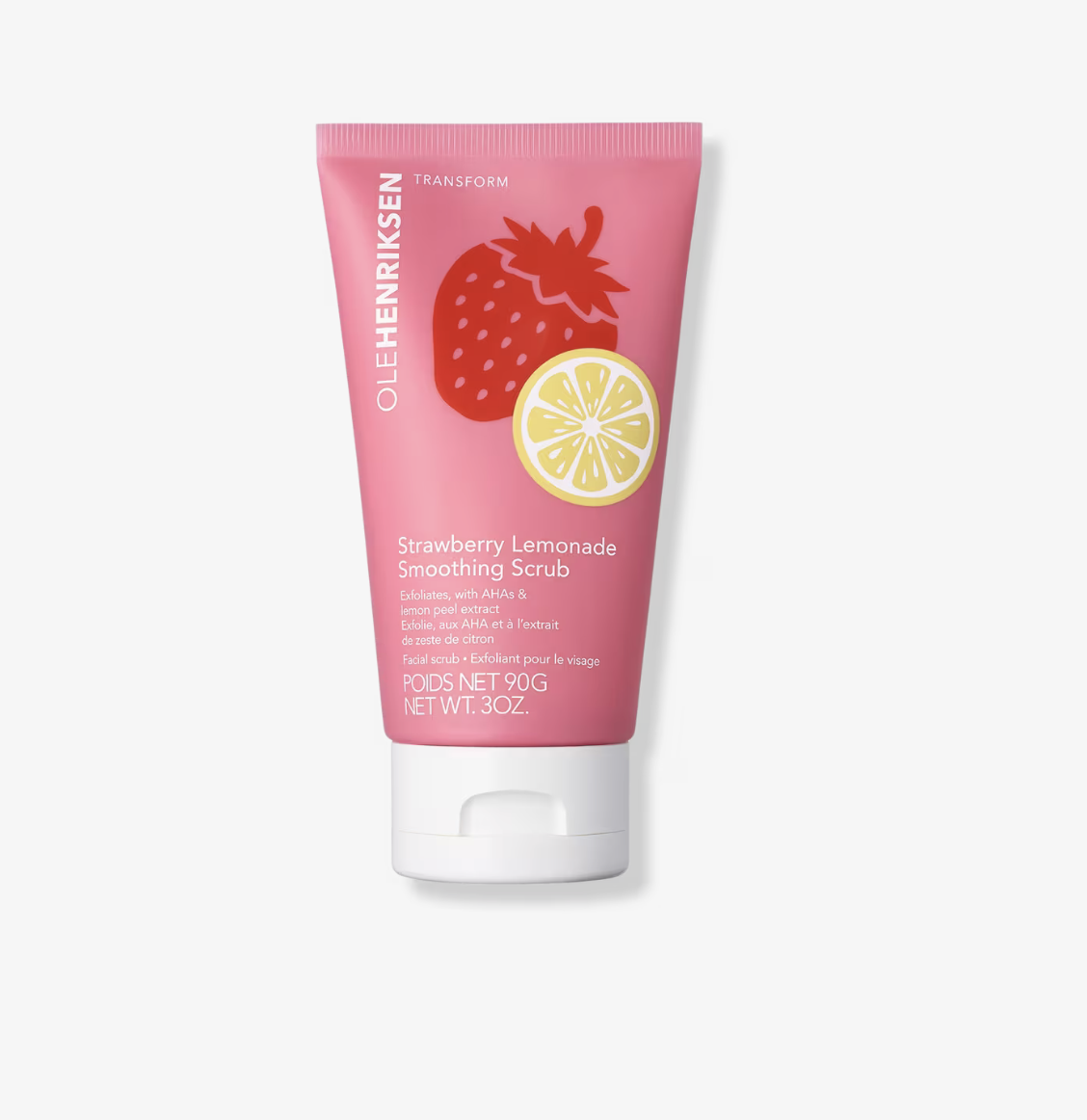
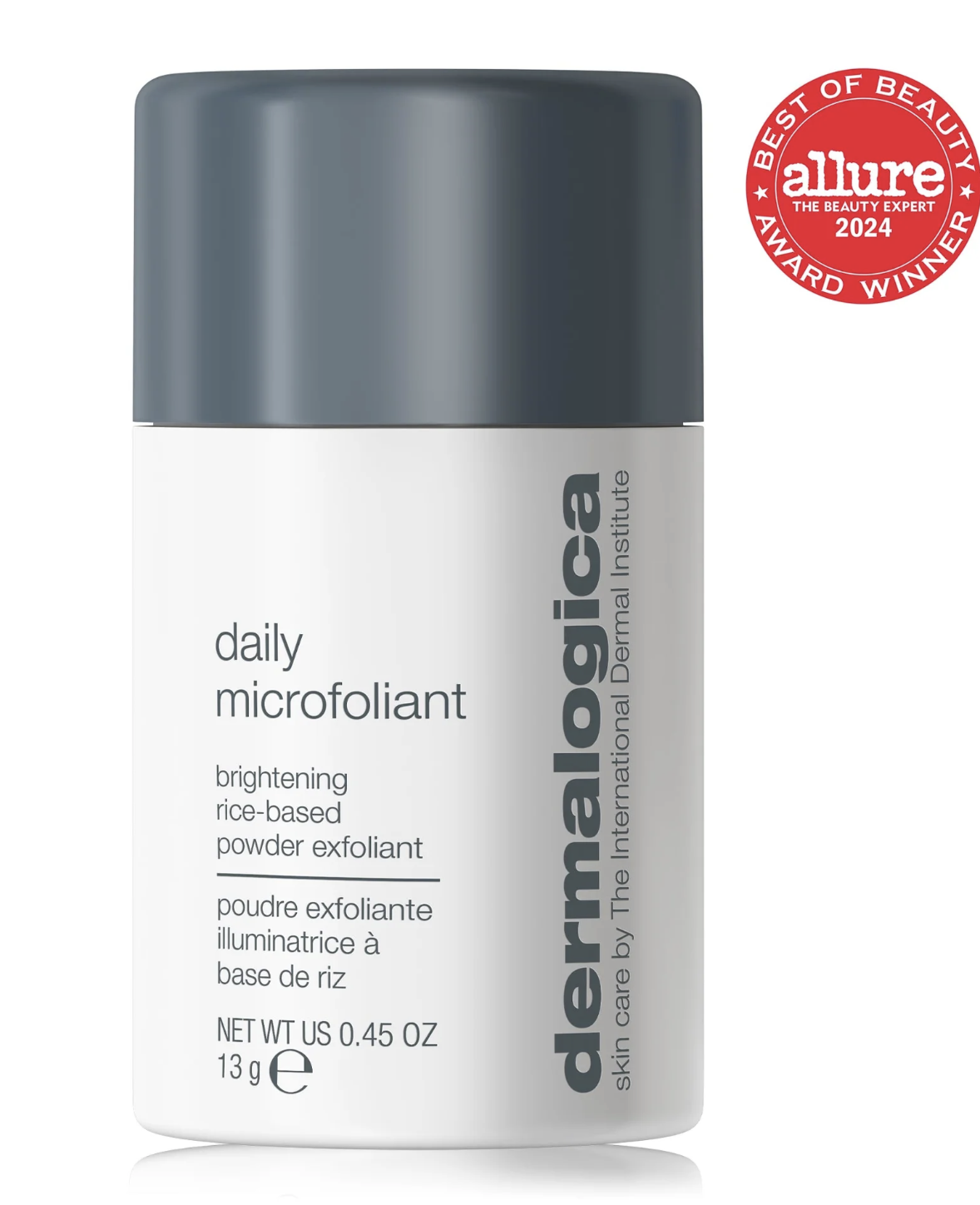
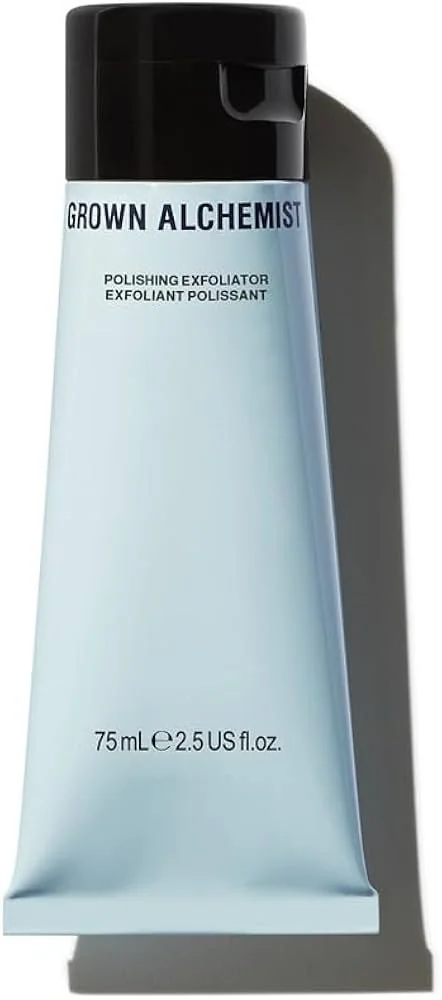
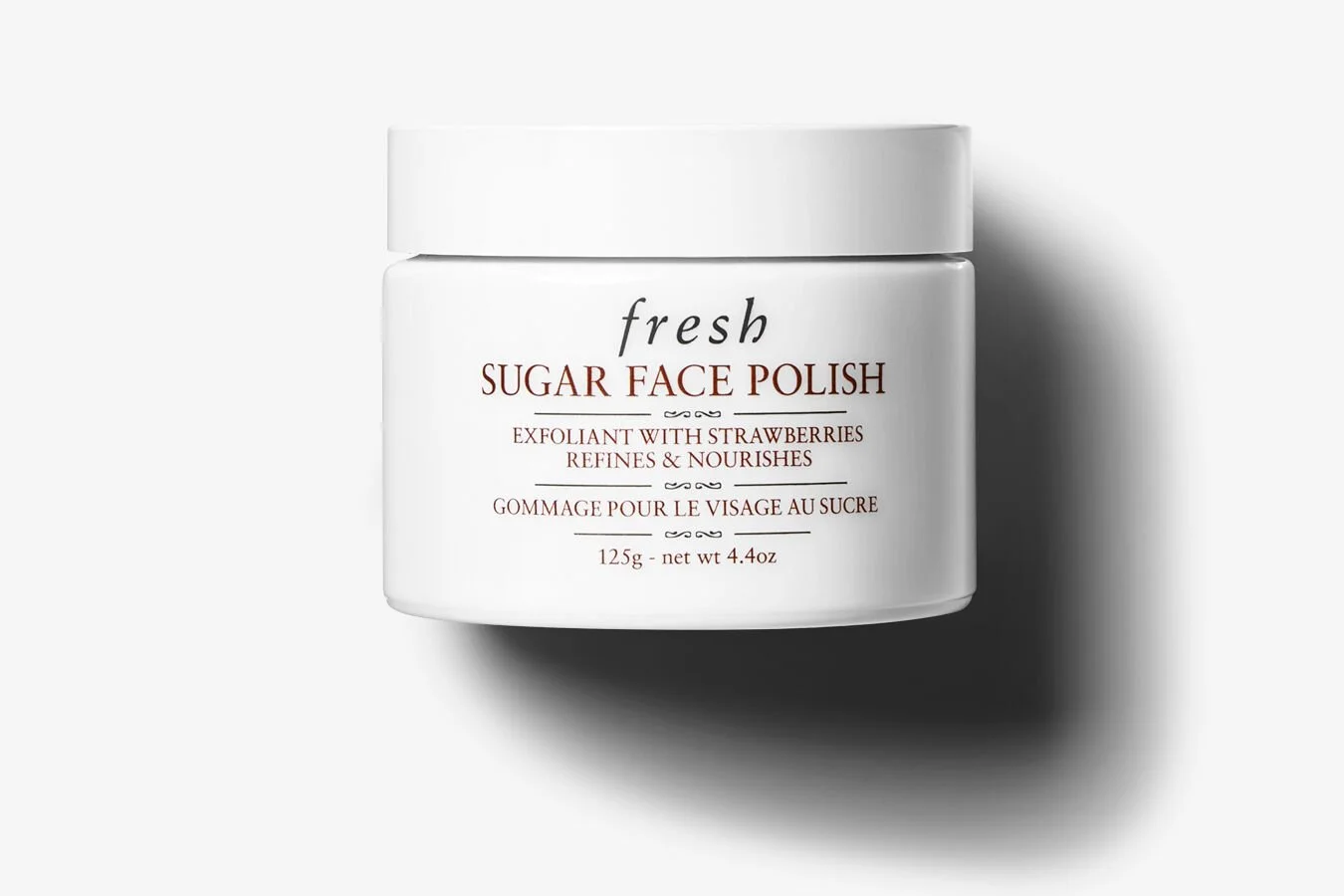
Scrubs: Products containing small particles like sugar, salt, coffee grounds, or jojoba beads.
Tools: Washcloths, facial cleansing brushes.
GOOD PHYSICAL EXFOLIATION
Jojoba Beads - Jojoba beads are gentle and non-abrasive.
Finely milled coffee grounds - Anti-inflammatory, stimulates circulation. Antioxidant-Rich:
Bamboo Powder - Bamboo Powder is another great option for a gentle scrub.
Sugar and Salt Granules - Sugar and Salt crystals both melt effectively in water, making them great gentle exfoliants.
BAD PHYSICAL EXFOLIATION
Crushed nutshells (especially walnut), fruit pits (apricot), and seed husks are often too abrasive and can damage the skin barrier.
Large, Hard Particles: Coarse salt or thick sugar crystals.
Plastic Microbeads: While not as immediately damaging to the skin, these are bad for the environment.
Overly Abrasive Tools: Harsh washcloths, loofahs, or excessively stiff facial brushes can tear the skin.
Gentle Ingredients is the KEY!
CHEMICAL
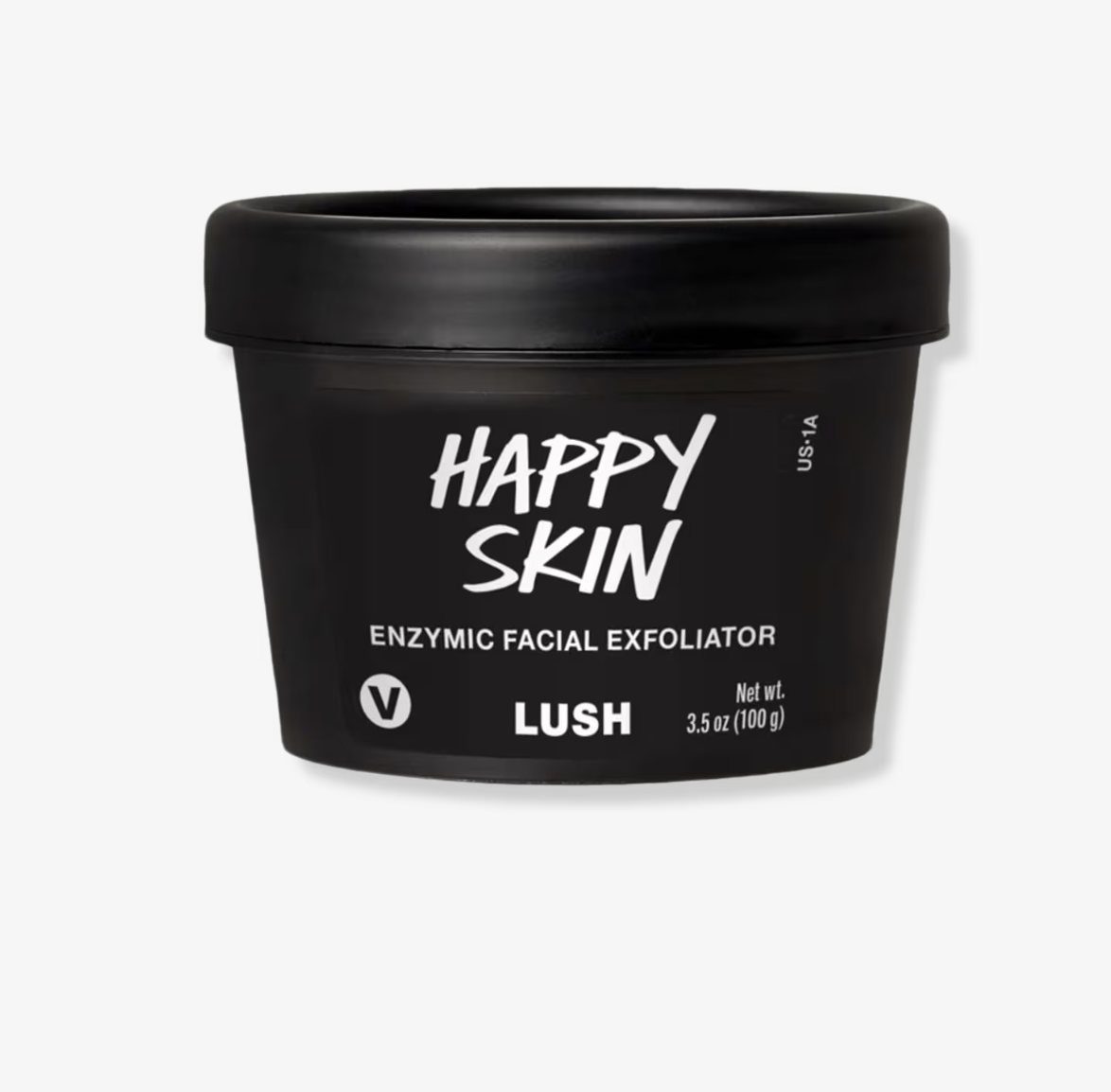
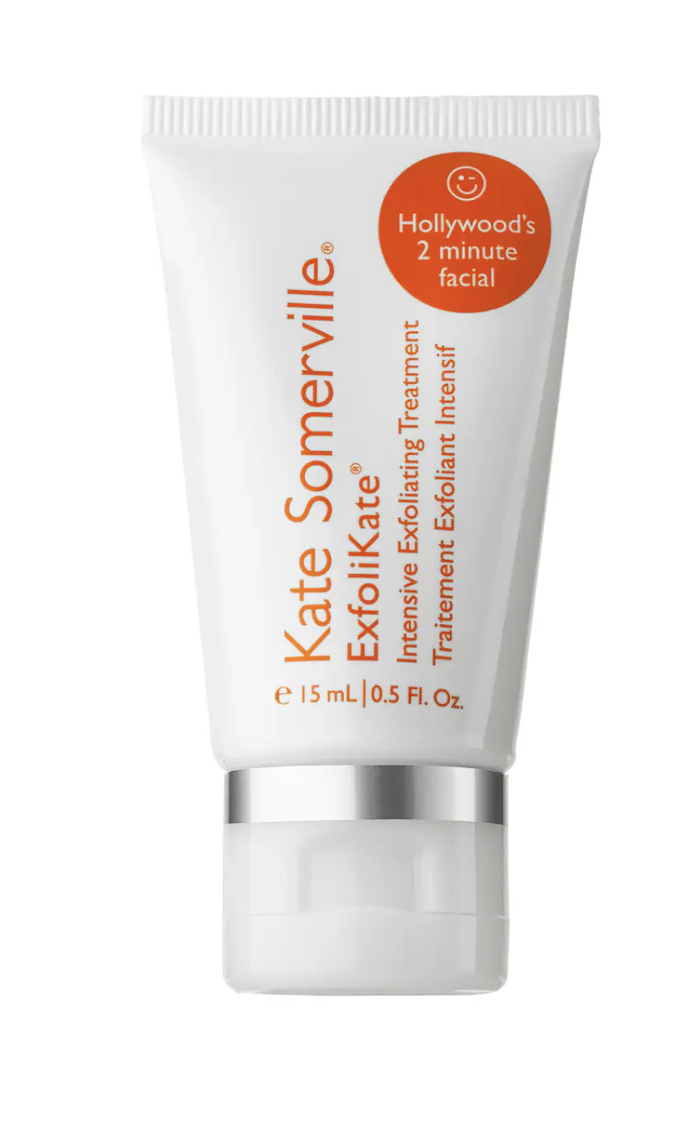
Chemical exfoliants use
acids or enzymes:
Break down the "glue" that keeps dead skin cells on the surface. They provide a deeper, more even exfoliation than physical methods.
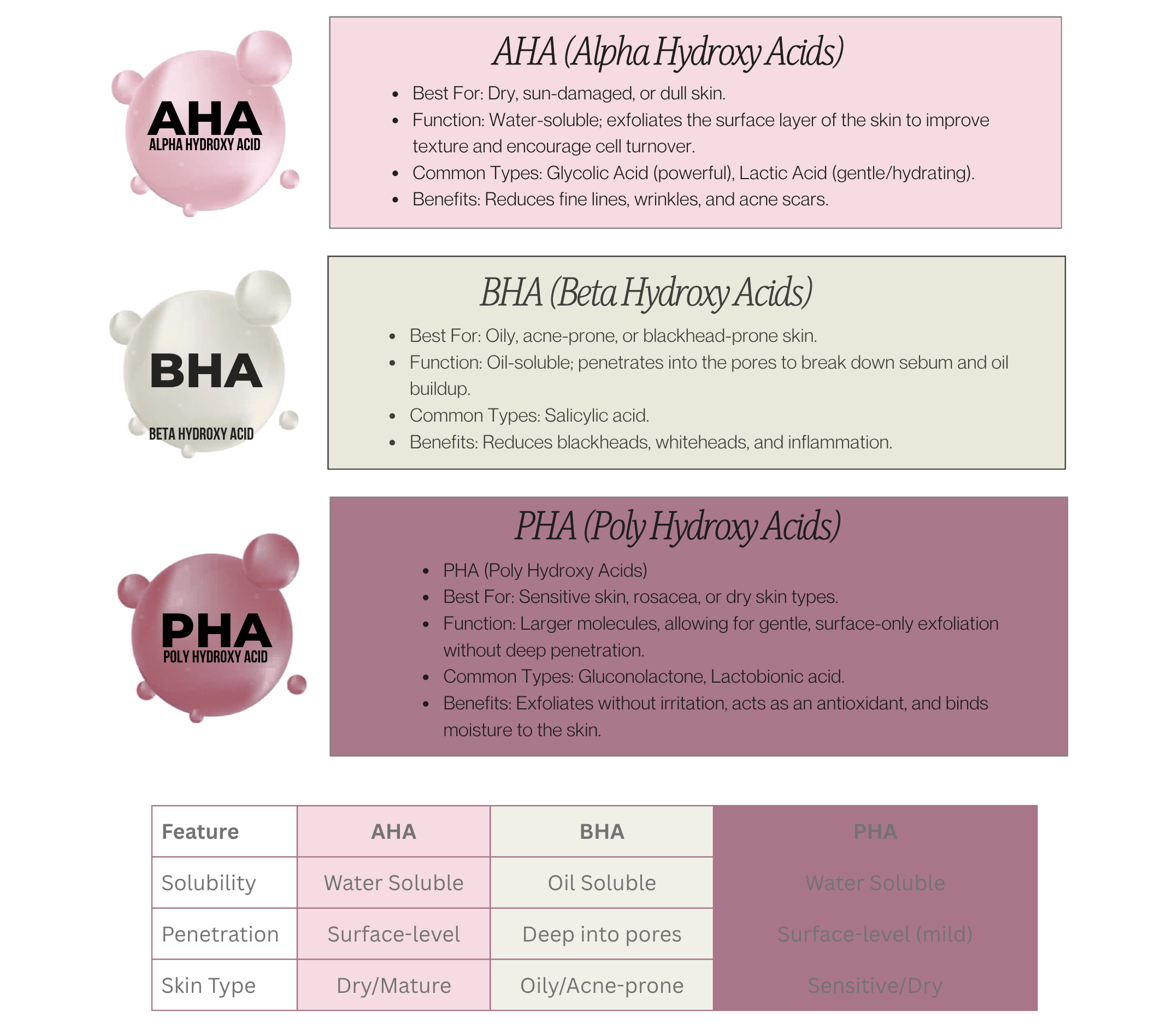
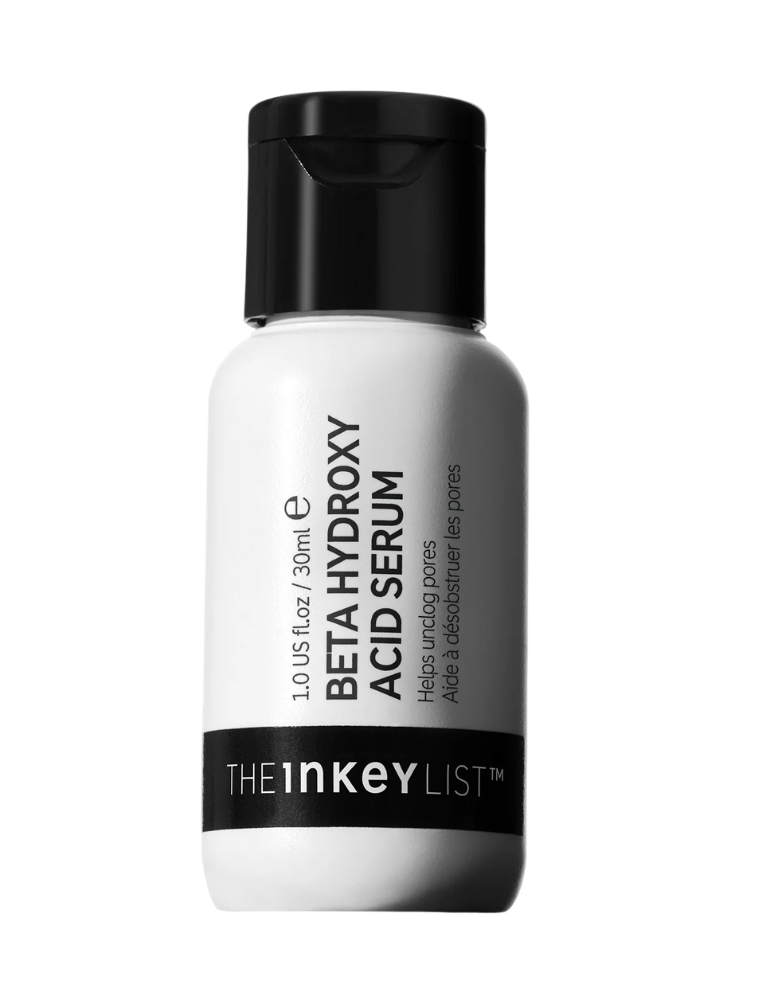
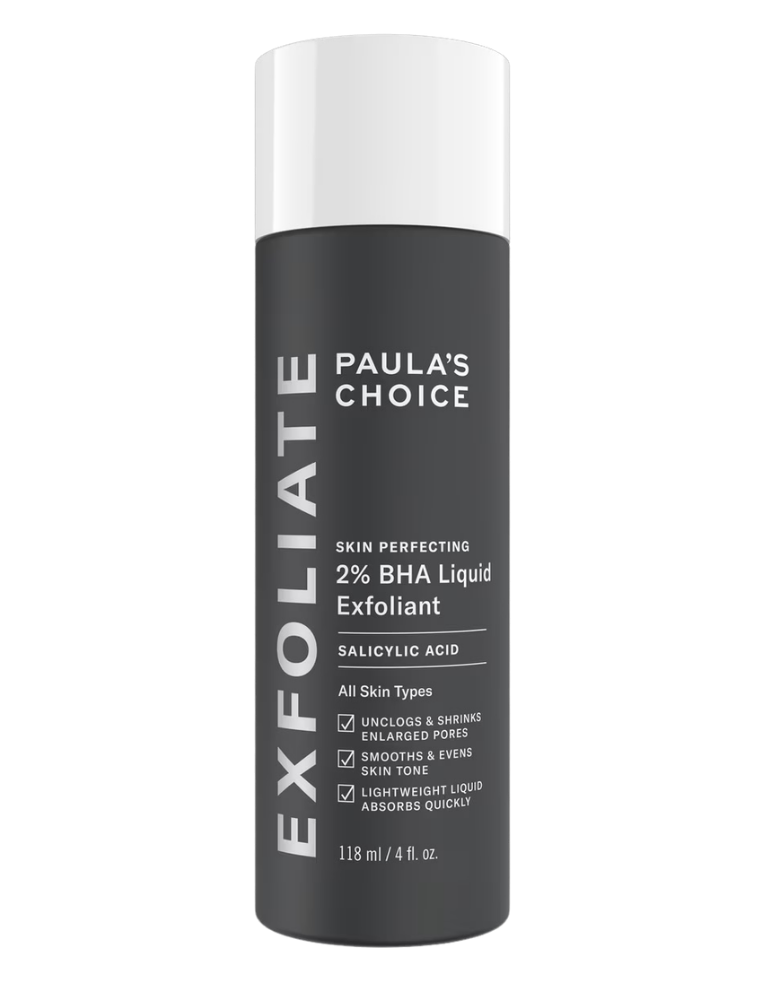
BHA (Beta Hydroxy Acids)
Best For: Oily, acne-prone, or blackhead-prone skin.
Function: Oil-soluble; penetrates into the pores to break down sebum and oil buildup.
Common Types: Salicylic acid.
Benefits: Reduces blackheads, whiteheads, and inflammation.
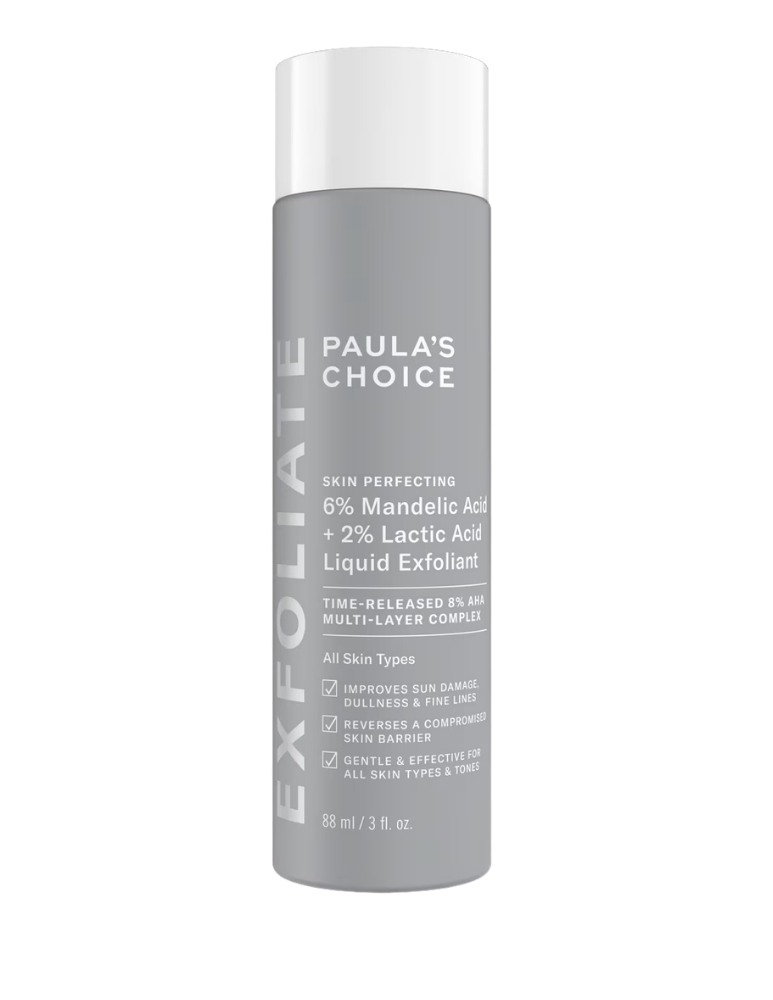
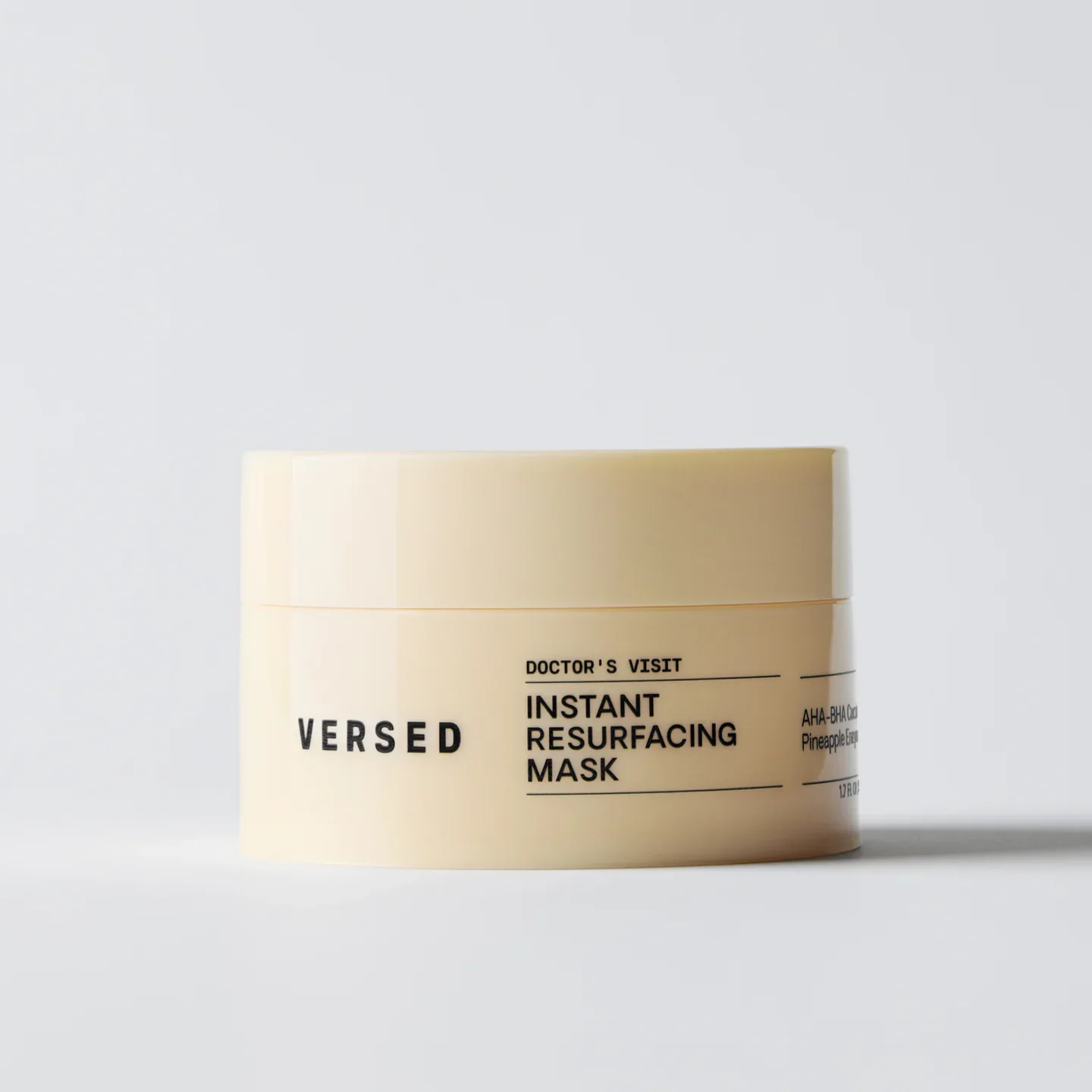
AHA (Alpha Hydroxy Acids)
Best For: Dry, sun-damaged, or dull skin.
Function: Water-soluble; exfoliates the surface layer of the skin to improve texture and encourage cell turnover.
Common Types: Glycolic Acid (powerful), Lactic Acid (gentle/hydrating).
Benefits: Reduces fine lines, wrinkles, and acne scars.
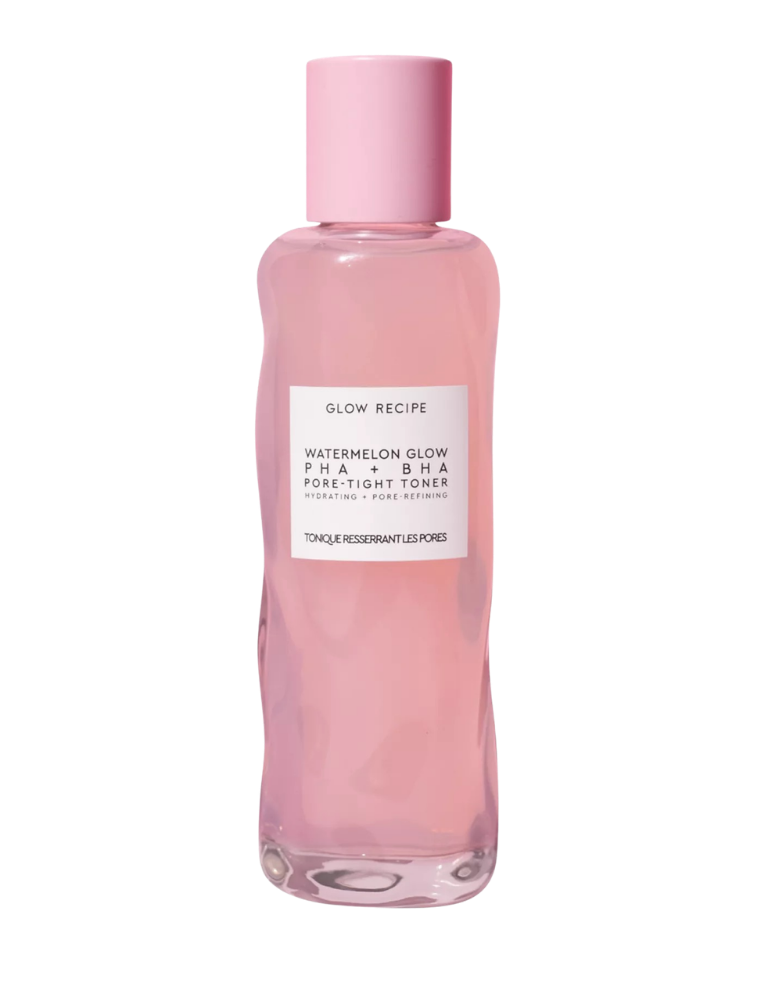
PHA (Poly Hydroxy Acids)
PHA (Poly Hydroxy Acids)
Best For: Sensitive skin, rosacea, or dry skin types.
Function: Larger molecules, allowing for gentle, surface-only exfoliation without deep penetration.
Common Types: Gluconolactone, Lactobionic acid.
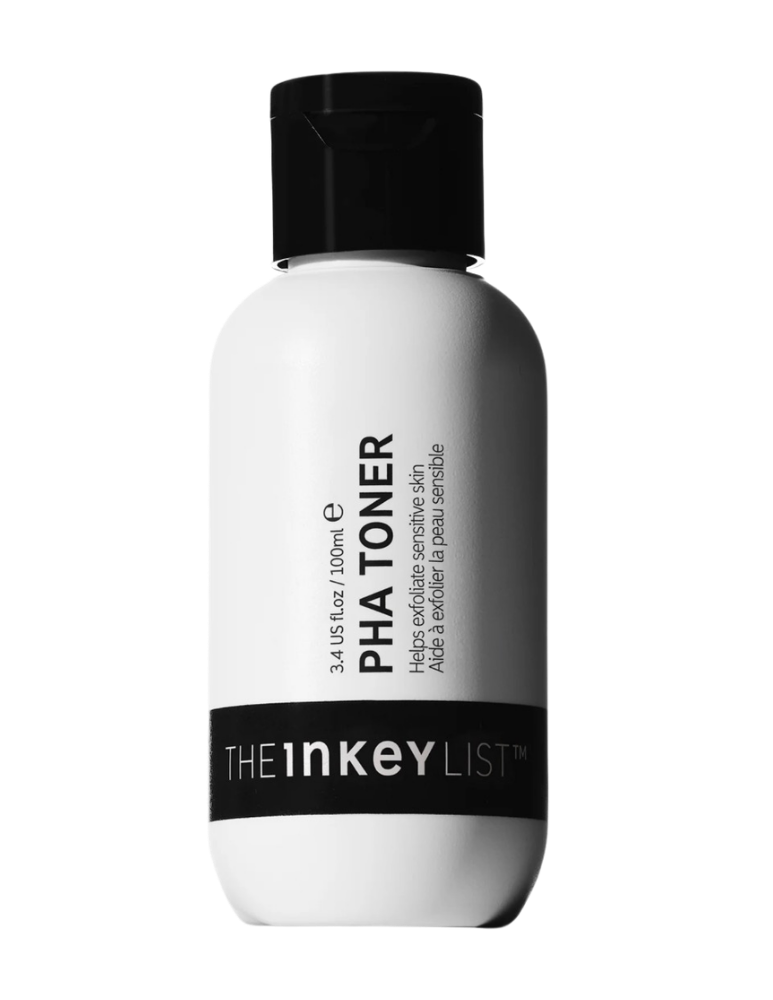
Benefits: Exfoliates without irritation, acts as an antioxidant, and binds moisture to the skin.

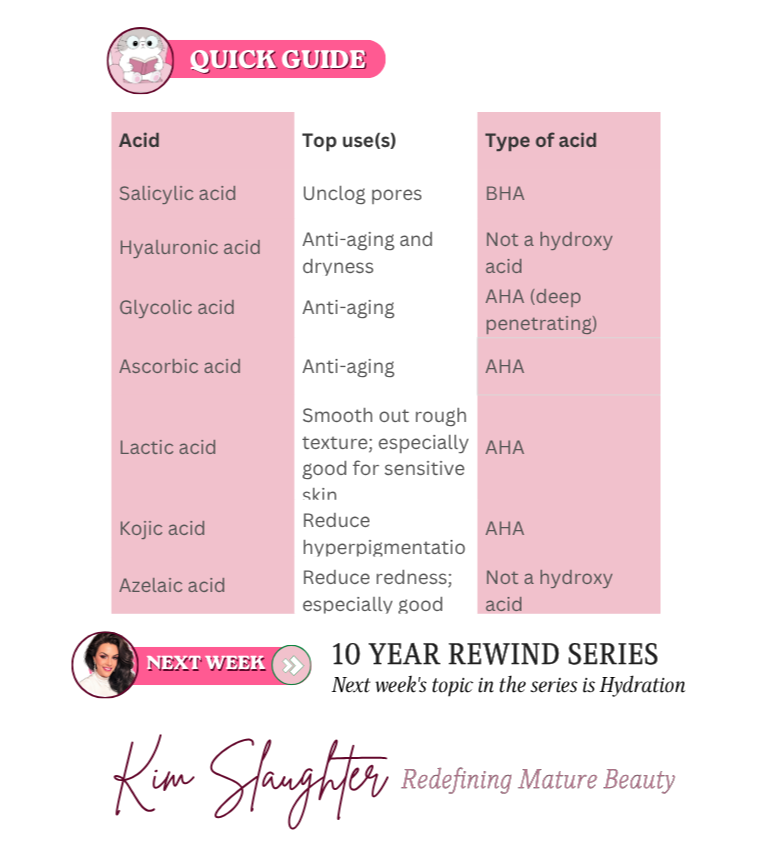
Summary of Common Face Acids
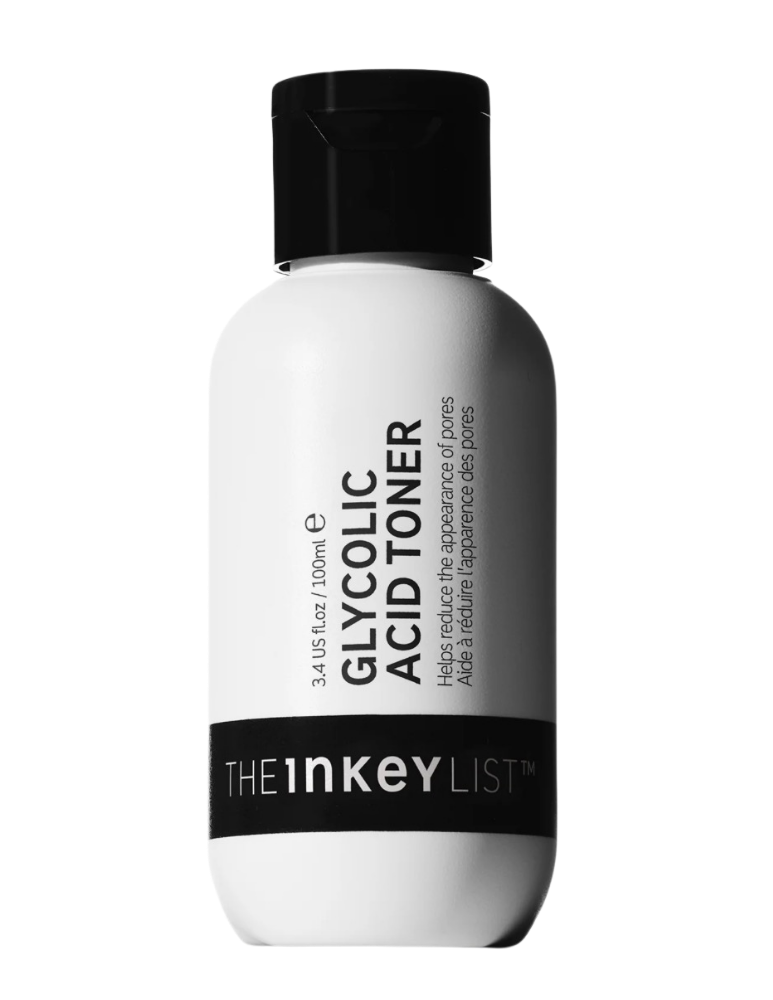
Glycolic Acid (AHA): A small-molecule acid that deeply exfoliates to reduce fine lines, wrinkles, and sun damage; best for normal to oily skin.
Lactic Acid (AHA): Gentler than glycolic, it exfoliates while hydrating, making it ideal for dry and sensitive skin to improve texture.
Salicylic Acid (BHA): Oil-soluble, allowing it to penetrate deep into pores to dissolve sebum, treat acne, blackheads, and oily skin.
Hyaluronic Acid (HA): A humectant that attracts and holds moisture, plumping the skin to reduce the look of fine lines.
Mandelic Acid (AHA): A gentle, large-molecule acid suited for sensitive skin, acne, and evening out pigmentation, particularly in darker skin tones.
Azelaic Acid: Ideal for sensitive skin or rosacea; it kills bacteria, reduces inflammation, and treats dark spots.
Ascorbic Acid (Vitamin C): A potent antioxidant that brightens skin, fades hyperpigmentation, and boosts collagen production.
Polyhydroxy Acids (PHAs, e.g., Gluconolactone): Very large molecules that offer the gentlest exfoliation, suitable for rosacea or extremely sensitive skin
Usage Guidelines
Start Slow: Begin with a low concentration to avoid irritation, particularly with strong acids like glycolic.
Patch Test: Always test a new acid product on a small area of skin first.
Sun Protection: Acids make skin more sensitive to the sun; daily sunscreen is essential.
Do Not Over-exfoliate: Excessive use can damage the skin barrier.
Best Acids by Skin Concern
Acne-Prone & Oily: Salicylic acid, Glycolic acid.
Dry & Sensitive: Lactic acid, Mandelic acid, Hyaluronic acid.
Anti-Aging (Wrinkles/Fine Lines): Glycolic acid, Ascorbic acid, Retinoic acid.
Hyperpigmentation & Dark Spots: Azelaic acid, Glycolic acid, Kojic acid.